
Relationships and interactions with children and families, the visual and material environment, and daily curriculum all come together to create the anti-bias learning community (Derman -Sparks 2010)

As in Adriana's class room our room displays family photos fo each child can feel included and proud of their family.

Multi - cultural dolls and figures should be included in classrooms. " A wide range of authentic people toys featuring diversity of age race, gender and body types, including people with physical challenges (Richards)
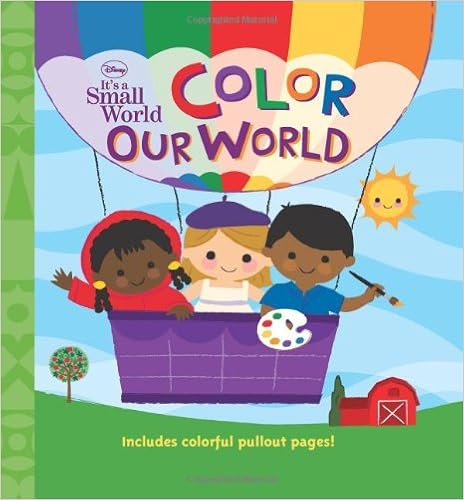


Books are one of the richest resources for helping children meet anti - bias education goals. When building a library we must ask ourselves, Can all the children in my program find themselves in this book. (Derman - Sparks 2010)
All children learn differently, incorporating a wide range of activities that sparks all children's interests will allow children to develop their strengths


Stephanie,
ReplyDeleteI like how you incorporated colorful pictures to help enhance your thoughts about an affirming environment. A family board is so important to an anti-bias education classroom. We, as anti-bias ECE, must make it our job to include the families into our program and make them feel secure, included, and welcome. The children must be able to play with multicultural dolls and people that show a variety of backgrounds and gender roles, such as a woman doctor or men dressed in a purple or pink shirt. And lastly, yes, having multicultural books that embrace diversity is so important to a classroom library. We must remember that our classroom "materials will need to change over time to reflect each new group of children and families" (Derman-Sparks & Olsen Edwards, 2010, p. 44). I think you did a nice job on your blog. Thank you for sharing your thoughts with us.
Jennifer
Derman-Sparks, L. & Olsen Edwards, J. (2010). Anti-bias education for young children and ourselves. Washington, D.C.: NAEYC.